Best Glass Facades in the US: Engineering & Architectural Analysis
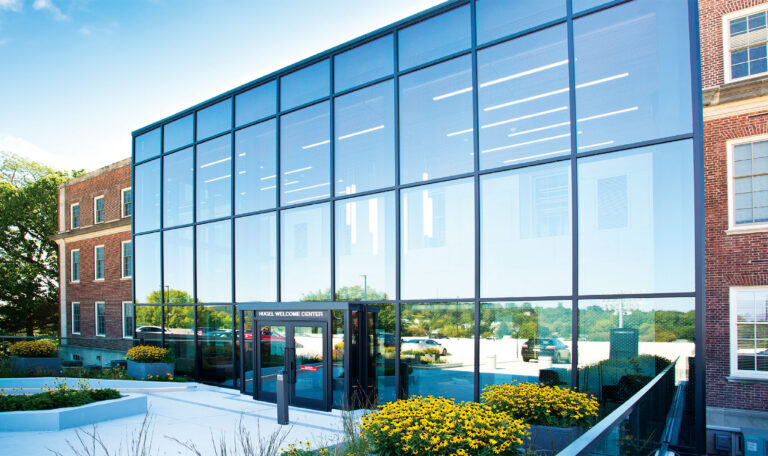
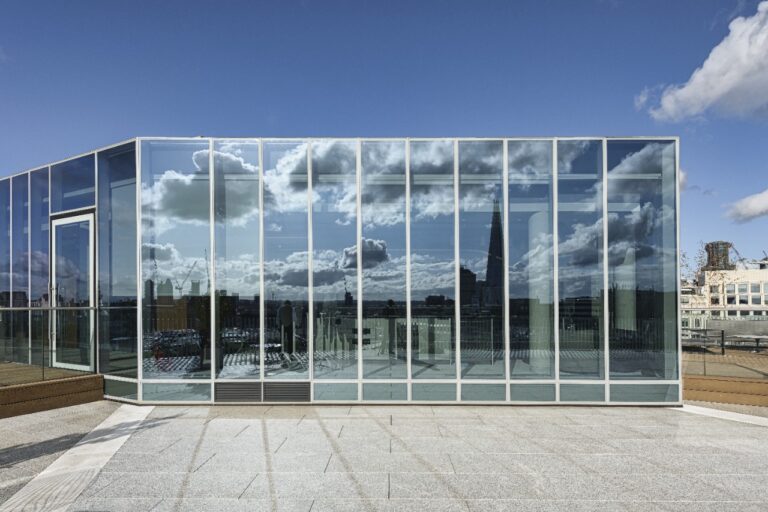
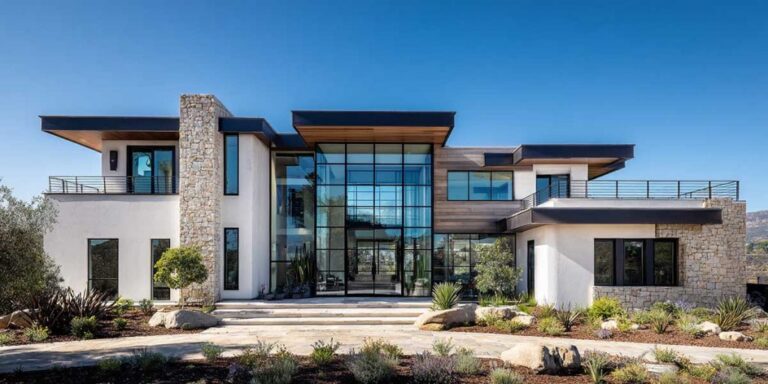
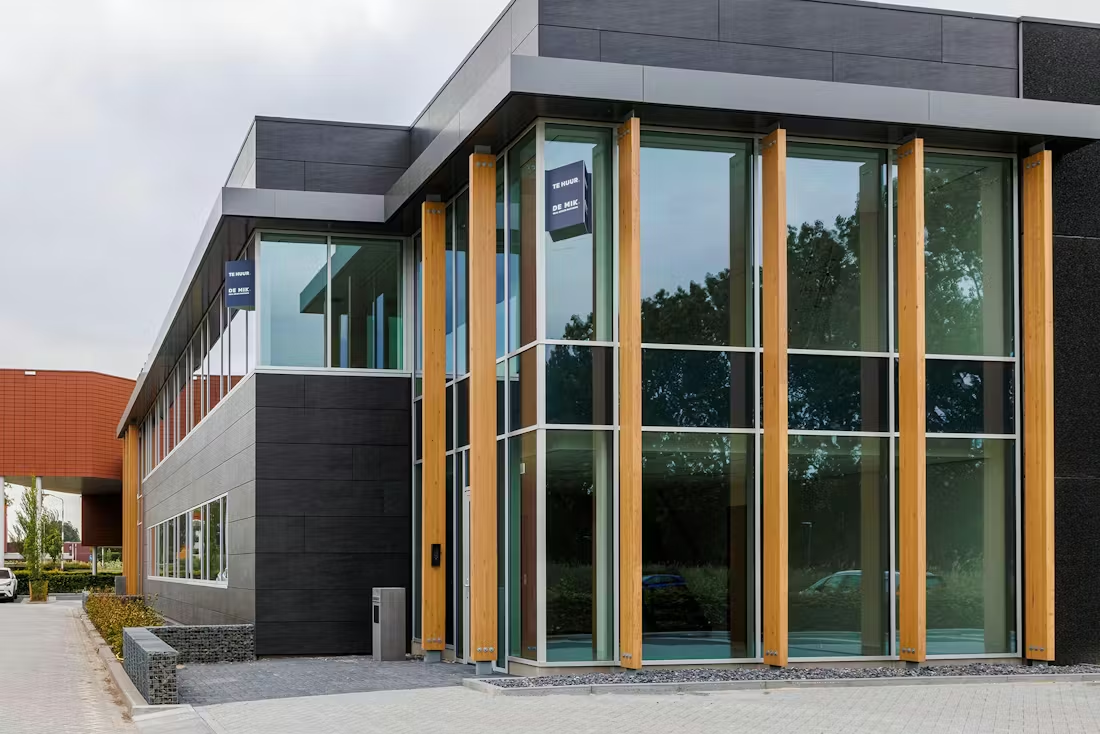
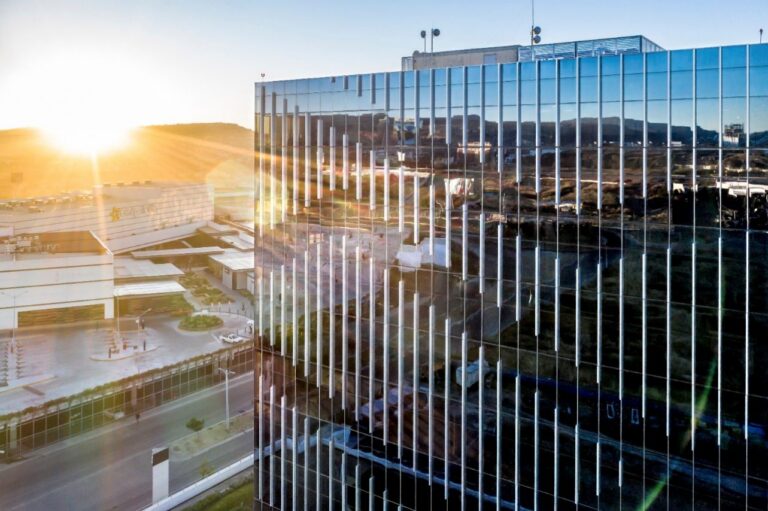
The evolution of the building envelope in the United States has transitioned from simple, punctured masonry apertures to highly complex, responsive thermodynamic membranes. The architectural identity of the American high-rise is inextricably linked to the evolution of its glass facade. Best Glass Facades in the US. From the sleek International Style monoliths of mid-century Manhattan to the hyper-transparent, closed-cavity facades of twenty-first-century corporate campuses, the glass facade serves as the primary technical and aesthetic interface between the interior program and the external environment.
Analyzing the highest expressions of American facade engineering requires a departure from surface-level aesthetics. An envelope’s success is measured by its capacity to mediate competing physical forces: resisting hurricane-force wind loads in coastal zones, handling extreme seismic displacement, and minimizing solar heat gain while maximizing daylight autonomy. Navigating this complexity requires a sophisticated understanding of material science, structural engineering, and the thermodynamic properties of low-emissivity coatings.
This technical guide deconstructs the structural mechanisms and design logic that define the most notable building envelopes across the United States. Through rigorous analysis of structural systems, failure modes, and lifecycle economic dynamics, this article serves as a definitive reference for structural engineers, facade consultants, and master developers seeking to execute high-performance glazed architecture.
Understanding “best glass facades in the us”
When evaluating the best glass facades in the us, one must establish an objective engineering taxonomy. The superlative “best” does not refer to purely subjective visual appearance. Instead, it denotes optimal performance within a specific structural, environmental, and urban context. A building envelope that performs exceptionally well in the temperate, low-UV climate of the Pacific Northwest would represent a thermal and environmental failure if placed in the extreme solar radiation environment of the Southwest.
A primary misunderstanding in the development community is the assumption that maximum transparency equates to high architectural quality. In reality, modern performance requires “controlled transparency.” This involves the strategic manipulation of solar heat gain coefficients (SHGC), visible light transmission (VLT), and internal acoustic attenuation. An oversimplification of these parameters leads to the specification of monolithic, highly reflective glass skins that create extreme cooling loads and contribute to the urban heat island effect, undermining the energy performance of the skyscraper.
The criteria for selecting or designing an elite facade system must balance four key engineering vectors:
-
Structural capacity to transfer wind and dead loads to the primary floor plates.
-
Thermodynamic performance, particularly minimizing the Psi-value at the edge of the glass.
-
Human-centric metrics, such as daylight autonomy and glare control.
-
Embodied carbon and lifecycle performance, factoring in both the initial production footprint and the long-term energy consumption of the building’s HVAC infrastructure.
Deep Contextual Background: Historical Evolution of the American Curtain Wall
The trajectory of the American glass facade began with the mid-twentieth-century corporate boom, specifically the construction of the Lever House (1952) and the Seagram Building (1958) in New York City. These International Style glass boxes broke the mold of heavy masonry enclosures, substituting the dead weight of stone with thin, lightweight hung skins of aluminum and seafoam-green or bronze-tinted glass. These early envelopes, while visually striking, were thermally primitive. They lacked high-performance coatings or insulated cavities, functioning essentially as greenhouse enclosures that required massive, energy-intensive mechanical cooling systems.
The 1970s energy crisis initiated the second evolutionary phase: the introduction of insulating glass units (IGUs) and the development of reflective, mirrored glass facades. Designed to reject solar radiation, these mirrored surfaces defined the architectural vernacular of suburban office parks and sunbelt cities throughout the late 1970s and 1980s. However, the heavy reflectivity stripped the urban streetscape of its transparency.
The contemporary era, spanning from the early 2000s to the present day, is defined by hyper-transparency and the active, responsive envelope. Landmark structures like the Hearst Tower (2006) in New York and the expansion of high-tech campus architecture in California have pushed the envelope toward high-performance Low-E coatings, structural silicone glazing (SSG), and closed-cavity facades (CCF). Today’s facade is no longer a static divider; it is an active thermodynamic filter.
Conceptual Frameworks and Design Models
Elite facade design relies on several core mental models to manage the tension between architectural expression and engineering performance:
-
The Selective Spectrum Model: This framework models the glass as an optical filter. It aims to maximize the light-to-solar-gain ratio (LSG), which is the ratio between visible light transmission (VLT) and the solar heat gain coefficient (SHGC). The goal is to allow natural light while blocking infrared heat.
-
The Structural Redundancy Matrix: This model assumes that any single element—a laminated pane, a silicone joint, or a point-fixing bolt—will eventually experience a failure event. It requires designs to feature a secondary load path to prevent catastrophic failure or facade collapse.
-
The Thermal-Bridge Continuum Model: This views the envelope as an interconnected thermodynamic network. It focuses on heat loss through the perimeter framing, pushing designers to specify warm-edge spacers and advanced thermal breaks within the aluminum extrusions.
Technical Classifications and System Variations
High-performance glass facades in the United States are categorized by their assembly, support mechanisms, and environmental adaptability.
Comparison of Primary Glass Facade Systems
| System Type | Structural Support | Wind Load Resistance | Thermal Efficiency | Installation Speed | Best Application |
| Unitized Curtain Wall | Aluminum mullions (slab-to-slab) | Very High | High | Very Fast | High-rise commercial |
| Stick-Built System | Vertical/Horizontal mullion grid | Moderate | Moderate | Slow | Low-rise custom facades |
| Structural Glass (SSG) | Silicone-bonded (no exterior metal) | High | High | Slow | Atriums, flagship retail |
| Point-Supported (Spider) | Stainless steel nodes & trusses | Exceptional | Moderate | Slow | Lobbies, large spans |
| Double-Skin Facade | Two independent glass skins | Exceptional | Superior | Very Slow | High-end corporate HQ |
| Closed-Cavity Facade | Pressurized, automated IGU | Exceptional | Superior | Very Slow | Urban high-rise towers |
The choice among these variations depends heavily on site-specific constraints. For example, a unitized curtain wall is the industry standard for tall buildings in American cities. It allows the modules to be assembled within a controlled factory environment, assuring quality control of the silicone joints and reducing field labor costs.
Real-World Application Scenarios and Decision Logic Best Glass Facades in the US
Scenario 1: The Coastal High-Velocity Hurricane Zone (Miami)
A 50-story residential tower must withstand extreme wind speeds and wind-borne debris in a corrosive, marine environment.
-
The Solution: A unitized curtain wall system utilizing laminated impact-resistant glass with an ionoplast interlayer (SentryGlas) and fluoropolymer-coated aluminum frames.
-
Logic: The ionoplast interlayer maintains its stiffness after breakage, preventing wind and rain intrusion during hurricanes.
-
Second-Order Effect: The thick, heavy lites require larger panel anchors, which must be thermally isolated from the concrete floor slab to prevent thermal bridging.
Scenario 2: The Desert Corporate Headquarters (Phoenix)
A project with extreme solar radiation and high ambient cooling demands.
-
The Solution: A double-skin glass facade with motorized louvers inside the ventilated cavity, coupled with triple-silver low-emissivity coatings.
-
Logic: The outer skin takes the brunt of the thermal load, while the ventilated cavity removes the heat before it reaches the occupied interior space.
-
Failure Mode: If the cavity does not have adequate drainage and ventilation, condensation can form inside, causing the Low-E coating to degrade prematurely.
Scenario 3: The Academic Library in an Urban Center (Chicago)
A building requiring maximum daylight penetration, acoustic isolation from street traffic, and bird-friendly glass properties.
-
The Solution: A triple-glazed IGU with fritted outboard lites, asymmetric glass thicknesses, and a high-performance warm-edge spacer system.
-
Logic: The fritting creates a visual pattern that prevents bird collisions while scattering light to reduce interior glare. The asymmetric glass thicknesses attenuate noise across different frequencies.
-
Cost Dynamics: The triple-glazed assembly is heavy and expensive, requiring a more robust secondary steel support structure at the base of the facade.
Scenario 4: The Tech Campus Atrium (Silicon Valley)
A highly transparent, column-free lobby space where structural frames would obstruct the view.
-
The Solution: A structural glass fin system with countersunk point-supported fittings and low-iron glass lites.
-
Logic: Using glass fins instead of steel mullions provides maximum visual lightness.
-
Failure Mode: Improper hole drilling or excessive torque on the patch plates can cause stress concentrations, leading to spontaneous breakage under temperature changes.
Planning, Economic Dynamics, and Resource Allocation
The financial architecture of a glazing project is determined by direct fabrication costs and significant logistical and carrying costs.
Estimated Cost Variance by Component (Commercial High-Rise)
| System Component | Percentage of Total Envelope Budget | Primary Variables |
| Glass Fabrication & Coating | 30% – 40% | Number of Low-E silver layers, iron content |
| Framing Extrusions & Thermal Breaks | 20% – 30% | Anodizing/painting quality, extrusion complexity |
| Hardware & Accessories | 10% – 15% | Custom spider fittings vs standard anchors |
| Installation & Hoisting Labor | 25% – 35% | Tower crane usage, union labor, site access |
Opportunity costs are prevalent in facade construction. If the panel delivery is delayed, the interior trades cannot begin their work due to weather exposure, leading to schedule slippage. Therefore, a higher initial cost for a factory-assembled unitized system is frequently justified by the speed of installation and superior quality assurance.
Tools, Strategies, and Technical Support Systems
Elite American facade engineering relies on a digital and physical support ecosystem:
-
Finite Element Analysis (FEA) Software: Used to model structural stress and deformation around point-supported holes and under dynamic wind pressures.
-
LBNL WINDOW / THERM Modeling: The industry standard for verifying the whole-envelope U-factor, solar heat gain, and condensation resistance index.
-
Wind Tunnel Testing: Physical testing of a scale model of the building and its immediate urban surroundings to determine peak localized pressure zones.
-
Heat-Soak Testing: A process used to destroy panels that contain microscopic nickel-sulfide inclusions, preventing spontaneous failure after installation.
-
Visual and Performance Mock-ups (VMU/PMU): A multi-story physical section of the facade subjected to water penetration, structural deflection, and thermal testing before mass production.
-
Acoustic Simulation Modeling: Used to verify that the envelope meets the Sound Transmission Class (STC) ratings required for urban environments.
The Risk Landscape: Structural Vulnerabilities and Failure Modes
The long-term performance of the building envelope depends on the mitigation of several latent failure modes:
-
Nickel Sulfide (NiS) Inclusions: A microscopic impurity present in float glass that expands over time, causing tempered glass to shatter spontaneously. This risk is managed by specifying heat-soaking protocols during fabrication.
-
Interlayer Delamination: The degradation of the plastic interlayer in laminated glass when exposed to moisture, cleaning chemicals, or continuous UV radiation.
-
Sealant Deterioration: The breakdown of structural silicone due to chemical incompatibility, which can cause facade panels to detach under wind suction.
-
Thermal Stress Breakage: Breakage caused by uneven heating or cooling across a single lite, which can be avoided by maintaining edge bite and clearance.
Governance, Maintenance, and Lifecycle Adaptation
The modern high-performance facade is an asset that requires continuous management over its 30 to 50-year service life.
Maintenance Checklist:
-
Quarterly: Visual inspection of weep holes, gaskets, and interior silicone joints.
-
Bi-Annually: Façade washing with deionized water; harsh detergents can degrade coatings.
-
Every 5 Years: A detailed audit by a facade consultant using thermographic imaging to locate air or gas leaks.
-
Trigger Events: Following a major seismic or wind event, the facade should be surveyed for micro-cracking and anchor displacement.
Measurement, Tracking, and Performance Evaluation
Evaluating a project’s success involves both quantitative measurement and qualitative observation:
-
Quantitative Indicators: Sub-metered energy usage data compared with the building’s design-stage energy model; thermal camera surveys to identify hot spots or energy leaks.
-
Qualitative Signals: Occupant surveys regarding glare, acoustic quality, and thermal comfort near the perimeter.
-
Documentation Examples:
-
QR Coded Records: Each glass unit is tagged with its manufacturer, coating batch, and dimensions.
-
Anchor Torque Logs: Digital records of the bolt tension during installation.
-
As-Built Survey Data: Dimensional measurements of the installed panels compared to design models.
-
Common Misconceptions and Oversimplifications
-
Myth: All Low-E coatings look the same.
-
Correction: Different coatings have distinct colors, reflectivities, and solar heat gain coefficients, which alter the appearance of the building under changing daylight conditions.
-
-
Myth: Annealed glass is acceptable for high-rise buildings.
-
Correction: Annealed glass breaks into large, sharp pieces and is not suitable for high-altitude use.
-
-
Myth: Triple glazing is always better than double glazing.
-
Correction: The higher embodied carbon of a third lite may not be offset by operational energy savings in warmer climates.
-
-
Myth: Structural silicone acts as an ordinary weather seal.
-
Correction: Structural silicone transfers dynamic loads from the glass to the frame and requires specialized engineering and chemical compatibility tests.
-
Ethical and Contextual Considerations
The design of modern glass facades must account for its broader impact on the environment and society. The bird-strike crisis is a significant ethical consideration in American architecture. Millions of birds die each year from colliding with transparent or highly reflective high-rise facades. Municipalities across the country are requiring the integration of fritted or ultraviolet-reflective glass patterns to prevent collisions.
There is also the issue of embodied carbon. The extraction of aluminum and the processing of float glass are energy-intensive processes. A sophisticated design approach analyzes the lifecycle carbon balance of the materials, favoring manufacturers that use recycled content and clean energy sources.
Synthesis and Editorial Perspective
The future of the American glass facade does not lie in an uncritical drive toward total transparency. Instead, it is found in the optimization of the envelope as a responsive, metabolic component of the building. The highest-performing facades in the United States demonstrate that balance can be achieved between the human desire for daylight and the need for energy conservation.
The mastery of this technology requires a commitment to the details: the chemical formulation of sealants, the thermal performance of frame spacers, and the post-breakage performance of laminated glass. The evolution of our skylines relies not just on the scale of the architecture, but on the technical and physical integrity of its glass facade systems.