How to Avoid Structural Glass Failure: 2026 Engineering Guide
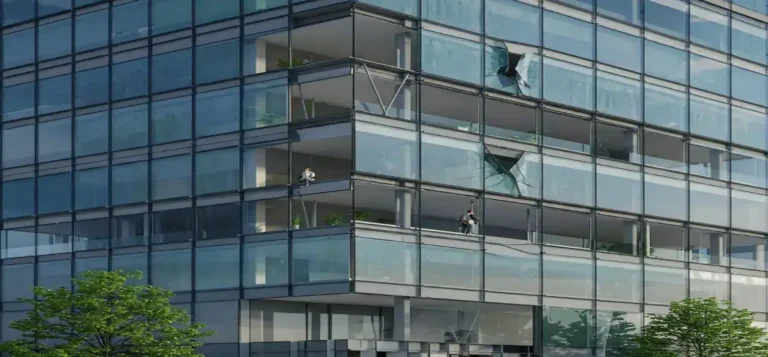
The structural glass facade operates as a critical load-bearing and environmental interface. In contemporary structural engineering, glass has evolved from a simple infill material into a primary structural component capable of transferring wind, dead, and seismic loads across expansive spans. How to Avoid Structural Glass Failure. Large-format lites, point-supported systems, and ultra-clear low-iron compositions have redefined the mechanical possibilities of modern building skins. For the structural engineer, facade consultant, and building scientist, navigating this domain requires an exhaustive understanding of fracture mechanics, material science, and stress distribution.
Structural glass assemblies must balance contradictory physical requirements. High transparency must coexist with deep residual compressive stresses; extreme impact resistance must be achieved using slender, minimalist profiles; and long-term durability must be maintained under cyclical mechanical and environmental loads. These complex demands have transformed the supply chain of high-performance building skins. The contemporary marketplace requires an aggressive assessment of glass compositions, interlayer characteristics, edge preparation protocols, and support conditions to prevent catastrophic structural collapse.
This reference document deconstructs the physical, financial, and operational variables required to understand how to avoid structural glass failure. It explores the technical divergence between different heat-treatment methods, evaluates the systemic trade-offs of various connection types, and provides an analytical framework for evaluating structural performance under real-world conditions. By moving beyond basic material descriptions, this analysis offers a comprehensive technical blueprint for specifying high-performance building skins.
Understanding “how to avoid structural glass failure”
The terminology surrounding high-performance structural glass is frequently obscured by marketing nomenclature, making it difficult to isolate the objective mechanical properties of the assembly. To properly address how to avoid structural glass failure, one must move past general descriptions and evaluate physical parameters such as residual surface compression, edge deletion dimensions, interlayer shear modulus, and maximum principal tensile stress. A common misunderstanding is the assumption that monolithic heat-strengthened glass provides adequate safety margins in overhead applications. In reality, an optimal design specification balances structural redundancy against human safety risks by utilizing laminated combinations with ionoplast interlayers.
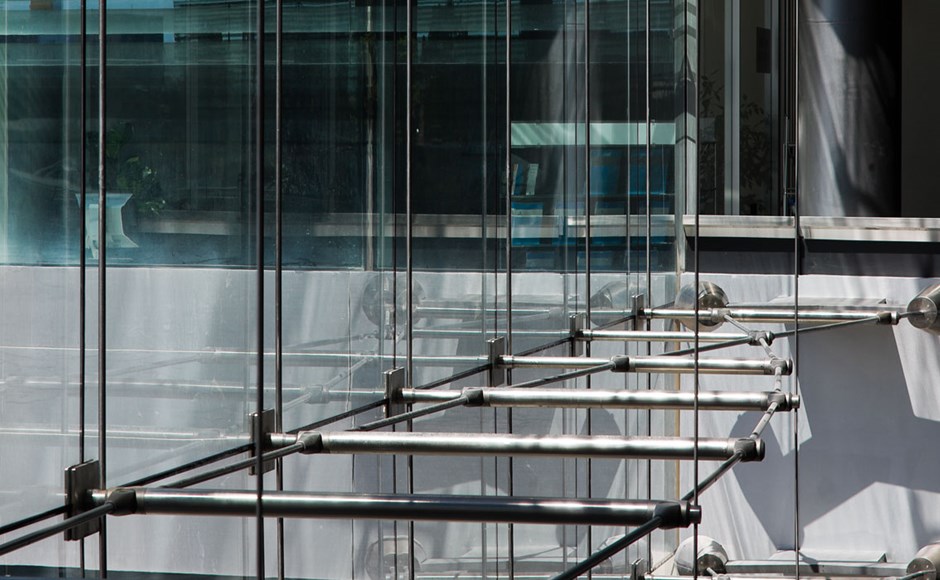
Countersunk bolts or friction clamps introduce high localized stress concentrations that can cause premature crack propagation if not modeled correctly using finite element analysis. The selection of a glass configuration must account for the mechanical load of the glass itself, as well as the differential thermal expansion characteristics of the surrounding metallic connectors. Specifying a point-fixed facade without neoprene isolators or clearance tolerances can result in point loading and sudden edge spalling.
Furthermore, the integration of heavy ceramic frits or digital printing layers adds further complexity to the design phase. How to Avoid Structural Glass Failure. Fritted patterns alter the thermal absorption profile of the glass, creating localized temperature differentials that must be considered during thermal stress analysis. When you analyze how to avoid structural glass failure, you must view the glass lite not as a single brittle element, but as an engineered composite system designed to transfer structural loads safely to the perimeter support frame.
Deep Contextual Background: The Evolution of Structural Glass
The architectural application of structural glass has undergone three major developmental phases over the past century.
-
The Early Transparent Enclosures (1930s–1960s): Characterized by fully annealed, thick monolithic lites. These early systems relied on mechanical frames to carry dead loads, with individual panels limited in size and highly susceptible to breakage from human impact or temperature variations.
-
The Annealed Lamination and Coating Phase (1970s–1990s): This period spurred the development of laminated annealed glass and early Low-E coatings. The focus shifted toward reducing solar heat transfer while preventing catastrophic fallout of broken glass shards, though structural spans remained limited.
-
The Structural Silicone and Point-Supported Era (2000s–Present): The modern era is defined by point-fixed structural glass systems, laminated fins, and high-performance ionoplast interlayers. These systems allow for expansive transparency and minimal framing while meeting rigorous structural engineering codes.
Conceptual Frameworks and Mental Models
When evaluating building systems and addressing how to avoid structural glass failure, designers apply several mental models to quantify performance:
-
The Fracture Mechanics Model: This framework analyzes the stress intensity factor ($K_I$) at the tip of a micro-crack, comparing it to the fracture toughness ($K_{Ic}$) of soda-lime silicate glass. It explains how surface flaws propagate under tensile stress.
-
The Layered Composite Model: This model measures the shear transfer across laminated interlayers, such as PVB or SGP, to determine the effective thickness ($h_{ef}$) of a multi-ply glass unit under out-of-plane wind loads.
-
The Thermal Stress Model: This model evaluates the temperature differential between the center of a glass lite and its shaded or framed edge, ensuring that the induced tensile stress does not exceed the edge strength of the glass.
-
The Boundary Layer Wind Model: Used to determine peak localized wind pressures on high-rise facades through wind tunnel testing, accounting for the dynamic amplification of structural deflections.
Key Categories and Material Variations
Achieving the correct structural performance requires a careful review of the core categories of glass composition and treatment.
| Glass Type | Surface Compression (MPa) | Tensile Strength Limit (MPa) | Brittleness and Fragment Size | Primary Structural Application |
| Annealed (Float) Glass | 0 to -10 | 40 | Large, sharp, hazardous shards | Vision lites (low-risk zones) |
| Heat-Strengthened Glass | -24 to -52 | 70 | Intermediate shards, stays in frame | Wind-loaded facades |
| Fully Tempered Glass | > 69 | 120 | Small, dice-like fragments | Impact-resistant partitions |
| Chemically Strengthened Glass | > 300 | 250 | Dicing or large shards depending on thickness | High-end interior rails / Devices |
| Laminated PVB Glass | Varies by treatment | Varies by treatment | Holds shards together upon failure | Overhead glazing / Skylights |
| Laminated SGP Glass | Varies by treatment | Varies by treatment | High residual strength, stiff interlayer | Structural fins / Point-fixed facades |
Realistic Decision Logic
When evaluating how to avoid structural glass failure, the decision-making process must be mission-based. Conversely, for a large-format vision pane subject to high thermal stress from internal shading devices, heat-strengthened glass is specified to minimize the risk of spontaneous breakage caused by nickel-sulfide inclusions.
Detailed Real-World Scenarios How to Avoid Structural Glass Failure
Scenario 1: The Glass Fin Supported Atrium Wall
A multi-story commercial atrium uses large vertical glass fins to support a point-fixed transparent facade.
-
Constraints: High seismic drift requirements and large out-of-plane wind loads.
-
Decision Point: The structural design requires laminated fins composed of two or more plies of heat-strengthened glass bonded with an SGP interlayer.
-
Failure Mode: Using monolithic tempered glass fins creates a risk of sudden, total collapse if an impact or stress concentration initiates breakage.
-
Second-Order Effect: The high stiffness of the SGP interlayer ensures that the fin acts as a single structural unit, transferring loads to the top and bottom pinned connections without excessive deflection.
Scenario 2: The Point-Fixed Overhead Canopy
An exterior canopy is suspended using stainless steel spider fittings that pass through drilled holes in the glass.
-
Constraints: High wind uplift forces and exposure to cyclical thermal variations.
-
Decision Point: The structural glass plans specify tempered laminated glass with oversized holes, lined with nylon or PTFE bushings to prevent direct metal-to-glass contact.
-
Failure Mode: Direct contact between the stainless steel fastener and the glass edge causes high localized bearing stresses, leading to radial crack initiation.
-
Second-Order Effect: The use of countersunk fittings requires precise edge deletion and hole polishing to remove micro-cracks from the processing stage.
Scenario 3: The Curved Structural Glass Balustrade
A continuous frameless glass railing is mounted along the edge of a high-rise observation deck.
-
Constraints: Heavy crowd-imposed horizontal loads and dynamic wind pressures.
-
Decision Point: The structural analysis specifies heat-strengthened laminated glass to ensure post-breakage rigidity and prevent the panel from slipping out of the base shoe.
-
Failure Mode: The use of PVB-laminated tempered glass in a point-loaded balustrade can lead to the “slip effect,” where the interlayer softens under high temperatures and allows the broken glass panes to slide relative to one another.
Scenario 4: The Sloped Structural Glass Floor
A transparent floor system in a public museum space supports heavy pedestrian foot traffic and maintenance vehicles.
-
Constraints: High point loads, impact resistance, and slip-resistant surfaces.
-
Decision Point: The structural assembly consists of three plies of fully tempered glass, with the top ply acting as a sacrificial wear layer and the lower plies acting as the structural element.
-
Failure Mode: Improper calculation of point contact areas can cause delamination or surface spalling under concentrated loads.
Planning, Cost, and Resource Dynamics
The initial capital expenditure for high-performance structural glass is offset by long-term structural reliability and reduced legal liability.
| System Component | Direct Cost Range (USD/ft2) | Lead Time (Weeks) | Impact on Structural Performance |
| Monolithic Tempered Lites | $30 – $60 | 4 – 6 | Minimal post-breakage capacity |
| Heat-Strengthened Laminated Glass | $75 – $130 | 8 – 10 | High residual load capacity |
| Point-Supported Spider Fittings | $150 – $300 | 10 – 14 | Transfers large eccentric loads |
| Custom Laminated Glass Fins | $220 – $450 | 12 – 16 | Exceptional structural stiffness |
| Vacuum-Insulated Structural Glass | $350 – $600 | 16 – 20 | Thin profile, low thermal conductivity |
The Cost of Frugality: Attempting to reduce costs by using monolithic, non-laminated tempered glass in critical structural applications can lead to catastrophic failure. The associated replacement costs, legal liabilities, and structural retrofitting expenses far exceed the initial cost difference of specifying the correct assembly.
Tools, Strategies, and Support Systems
Addressing how to avoid structural glass failure requires a specialized technical toolkit:
-
Finite Element Analysis (FEA) Software: Programs such as ANSYS or SAP2000 are used to model the complex stress distributions and shear deformations in laminated glass under dynamic loads.
-
Laminated Glass Design Software: Tools based on the equivalent thickness method to calculate the deflection and stress of multi-layer glass units.
-
Nickel-Sulfide Heat-Soaking Facilities: Ovens used to hold fully tempered glass at elevated temperatures ($290^\circ C$) to induce the fracture of glass lites containing nickel-sulfide inclusions prior to installation.
-
ASTM Standards for Structural Glass: Guidelines such as ASTM E1300, which determine the minimum glass thickness required to resist specified uniform lateral loads.
-
Digital Strain Gauge Testing: Used during mock-up testing phases to measure real-time stresses at critical hole locations and clamped edges.
-
Polariscopic Examination Tools: Instruments that check the residual surface compression and edge stress profile of heat-treated glass.
Risk Landscape and Failure Modes
Structural glass facade systems are subject to several compounding failure modes:
-
Nickel-Sulfide Inclusion Fracture: A phase change in microscopic nickel-sulfide crystals within fully tempered glass causes a sudden volume expansion, resulting in spontaneous breakage without external loading.
-
Edge Stress Concentrations: Improper cutting, seaming, or drilling leaves micro-cracks along the edge of the glass, which grow under cyclical wind loads until the panel fails.
-
Thermal Shock: Non-uniform temperature distribution across the glass surface creates tensile stresses that exceed the strength of the material, particularly in areas shadowed by structural framing.
-
Delamination: Moisture, UV radiation, or chemical cleaners attack the bond between the glass and the interlayer, causing cloudiness, edge separation, and loss of composite action.
-
Corrosion of Metallic Fasteners: Galvanic corrosion or rusting of carbon-steel bolts inside the glass hole introduces localized expansion forces that crack the glass.
Governance, Maintenance, and Long-Term Adaptation
A high-performance structural glass installation requires a planned operational cycle to ensure its long-term integrity:
-
Quarterly Visual Inspections: Checking glass edges for signs of micro-cracking, delamination, or movement within the support channels.
-
Fastener Torque Calibration: Checking the torque on all spider fittings and bolted connections to ensure the assembly does not loosen under cyclical vibration.
-
Gasket and Sealant Replacement: Replacing exterior silicone weatherseals every ten years to prevent water accumulation within the glazing pocket.
-
Structural Review After Extreme Events: Conducting an inspection of the facade after severe windstorms or seismic events to identify shifting or cracking.
Measurement, Tracking, and Evaluation
To determine whether a structural glass design is performing as intended, structural engineers track several key performance indicators:
-
Leading Indicator: “Maximum Principal Stress.” Measured using embedded strain gauges near drilled holes, indicating how close the glass is to its design limits.
-
Lagging Indicator: “Glass Panel Deflection.” Using laser displacement sensors to measure out-of-plane deflection during wind loading.
-
Qualitative Signal: “Edge Delamination Area.” Tracking the progression of any delamination from the edge of the glass inward.
-
Documentation Example: Commissioning reports containing FEA verification data and destructive test results for edge-bite bite adherence according to ASTM C1184.
Common Misconceptions and Oversimplifications
-
“Fully tempered glass is the safest choice for all applications”: Tempered glass shatters into small fragments upon breakage, meaning that it cannot support loads after failure. Heat-strengthened glass is often preferred in structural elements because its larger shards remain interlocked within the frame.
-
“All interlayers behave the same under load”: PVB (polyvinyl butyral) softens at higher temperatures, whereas SGP (ionoplast) maintains its shear modulus, making SGP the preferred choice for structural fins.
-
“Glass does not experience fatigue”: Glass is subject to static fatigue, or delayed fracture, meaning it can carry higher loads for short periods than for long durations.
-
“Drilling glass is a standard fabrication process”: Drilling holes creates local stress points that must be reinforced with interlayers and protected by gaskets.
-
“Spontaneous glass breakage is unpredictable”: The risk of spontaneous breakage from nickel-sulfide inclusions can be managed through the heat-soaking process.
Ethical, Practical, and Contextual Considerations
The use of highly transparent, expansive glass facades has unintended environmental and safety consequences, particularly regarding bird collisions and excessive glare in urban settings.
To mitigate these impacts, modern building codes require the inclusion of ultraviolet-reflective patterns or ceramic frits in the glass assembly. Incorporating these elements allows the structure to remain visually light while remaining visible to migratory birds.
Conclusion: The Trajectory of Structural Glass Design
The structural glass sector is shifting toward greater integration of digital, mechanical, and structural functions within the facade. The building skin is no longer a passive partition, but a key load-bearing component that adapts to environmental forces. When investigating how to avoid structural glass failure, you must balance the physics of stress distribution with structural limits and environmental sustainability.
Designers who understand the long-term properties of structural glass can create buildings with lower energy consumption and long service lives. The future of architectural design lies in specifying dynamic, high-performance building skins that reduce reliance on mechanical conditioning systems.