Best Residential Glass Facades USA: The Definitive Architectural
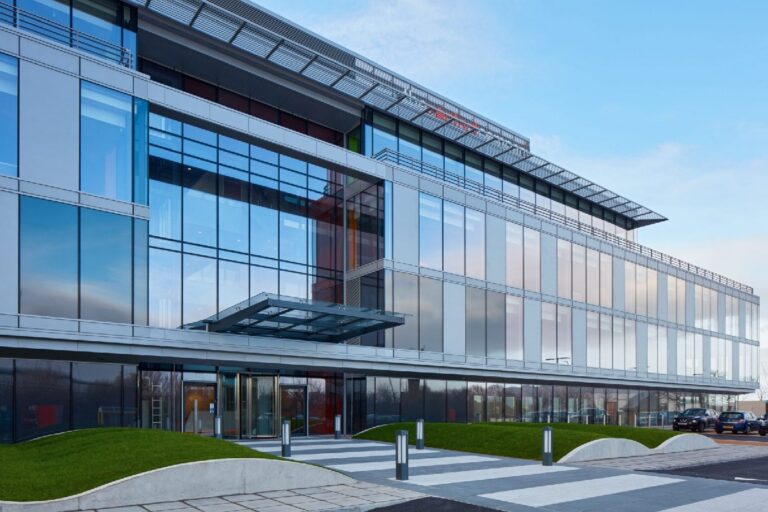
The contemporary residential skyline in the United States is undergoing a profound material re-evaluation. The early domestic architectural models of the twentieth century, which relied upon punched windows and heavily insulated, opaque wall cavities, are steadily giving way to expansive, transparent skins. Best Residential Glass Facades USA. This transition marks a significant shift in how we understand the boundary between the interior sanctum and the exterior environment. Glazing is no longer treated as a simple aperture for light; it is engineered as a primary structural and thermodynamic organ of the building envelope.
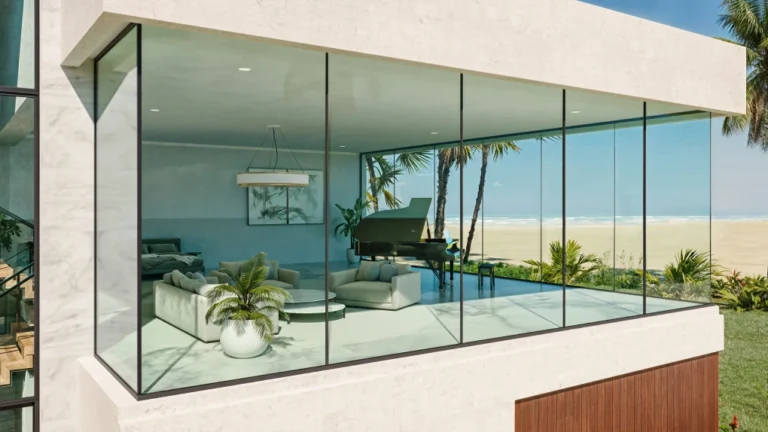
This evolution is driven by a complex interplay of energy regulations, structural innovation, and the cultural premium placed on biophilic connection. High-net-worth residential architecture demands envelopes that dissolve the barrier between living spaces and dramatic natural settings, from the rugged coastlines of the Pacific Northwest to the arid extremes of the Desert Southwest. Yet, this transparency introduces massive thermodynamic challenges. The requirement to maintain absolute interior comfort while minimizing mechanical cooling loads has turned the specification of glazing systems into a highly specialized discipline requiring sophisticated engineering.
In this survey, we deconstruct the mechanical, ecological, and economic frameworks that define the most successful domestic glazing systems in the United States. By analyzing the structural limits, maintenance governance, and risk landscapes of these transparent envelopes, we move beyond aesthetic appreciation toward a definitive understanding of how biological and environmental factors inform architectural enclosure.
Understanding “best residential glass facades usa”
Evaluating the best residential glass facades usa requires a multi-perspective lens that weighs structural integrity against energy performance and aesthetic intent. In professional architectural practice, the “best” systems are those that achieve high-performance metrics—such as low U-factors and optimized Solar Heat Gain Coefficients (SHGC)—without sacrificing the visual neutrality and structural minimalism demanded by contemporary design.
A common misunderstanding in the residential sector is the assumption that more glass is inherently less sustainable. When designed with precision orientation and high-performance coatings, a fully glazed residential skin can actually reduce total energy consumption by utilizing daylighting and passive solar heating during appropriate cycles. The oversimplification risk lies in selecting glazing solely based on its light transmission properties without accounting for the localized microclimate, resulting in uncomfortable glare and excessive HVAC loads.
The selection of a premier facade system must account for structural wind loads, seismic activity, and thermal expansion. Systems must be detailed with thermally broken frames and structural silicone joints that allow independent movement of the glass and the structural substrate. A failure in any of these components can lead to condensation, envelope leakage, and premature seal failure.
Contextual Background: The Evolution of Domestic Glazing
The trajectory of American residential glazing began with the simple, single-pane wood-framed windows of the colonial period. These early apertures were dictated by manufacturing limitations and the need to retain heat in uninsulated structures. The mid-century modern movement, led by architects such as Mies van der Rohe and Philip Johnson, pushed the limits of transparency with steel-framed single glazing, though these early icons were notorious for their poor thermal performance and high condensation rates.
The energy crises of the 1970s catalyzed a new era of engineering, forcing the industry to develop insulated glazing units (IGUs) and low-emissivity (Low-E) coatings. These technological leaps allowed larger spans of glass to be used without creating unlivable thermal zones within the house.
Entering the current decade, the focus has shifted toward “Active Facades.” The modern residential envelope is now expected to harvest energy through building-integrated photovoltaics (BIPV), adjust its tint dynamically using electrochromic technology, and reduce indoor VOCs through specialized photocatalytic coatings. The history of domestic glazing is thus a progression from barrier to dynamic interface.
Conceptual Frameworks and Design Mental Models
To analyze high-performance residential glazing, professionals utilize several key conceptual models:
1. The Thermodynamic Balance Model
This framework treats the transparent facade as a selective filter for energy. It balances the rate of conductive heat loss (U-factor) against the solar heat gain coefficient (SHGC) and the visible light transmittance (VLT). The objective is to maximize natural illumination while minimizing the transfer of unwanted infrared radiation.
2. The Structural Deflection Model
This model evaluates the behavior of large-format glass lites under extreme environmental loads. It accounts for the dynamic pressure of wind and the stresses induced by seismic movement, ensuring that the edge support systems allow for specified deflection tolerances without point-loading the glass edge.
3. The Biophilic Prospect and Refuge Model
Derived from evolutionary psychology, this mental model frames the facade as a means of satisfying the human need for prospect (unobstructed views of the environment) while maintaining a sense of refuge (protection from the elements).
[Diagram of the Thermodynamic Balance Model in Glazing]
Taxonomy of Glazing Systems and Variations
Selecting the correct technical chassis is critical to the longevity and performance of the envelope.
Realistic Decision Logic
The design decision often hinges on the trade-off between thermal performance and visual minimalism. While structural glass facades offer the highest level of transparency, their U-values are generally less favorable than those of unitized curtain wall systems with narrow sightlines.
Detailed Real-World Scenarios and Case Studies Best Residential Glass Facades USA
Scenario: The Coastal Exposure (Big Sur, CA)
A residential envelope situated on a high-wind coastal cliff must withstand saline exposure and dynamic, high-velocity wind loads.
-
Constraint: High humidity, intense salt spray, and extreme wind-borne debris potential.
-
Decision Point: Selection of laminated low-iron glass with PVB interlayers and marine-grade, 316-stainless-steel point-support fittings.
-
Outcome: The facade resists corrosion and dynamic deflection while providing unobstructed views of the ocean.
Scenario: The Desert Environment (Palm Springs, CA)
A residence with a western orientation must control intense solar radiation and high ambient temperatures.
-
Constraint: High cooling loads and low-angle, late-afternoon sun.
-
Decision Point: Integration of double-glazed IGUs with a low-E coating and exterior automated venetian blinds.
-
Failure Mode: Without shading, the internal surface temperature of the glass rises, causing discomfort.
-
Second-Order Effect: The use of motorized shading systems reduces the cooling load by 22% compared to static glazing.
Planning, Cost, and Resource Dynamics
The “Transparency Premium” represents a significant portion of the residential construction budget. The following figures reflect 2026 market rates for high-performance residential glazing.
Range-Based Table: Energy Use Intensity (EUI) Impact
-
Double-Glazed Low-E: 45 – 60 kBTU/sq. ft./year
-
Triple-Glazed Passive House Profile: 15 – 22 kBTU/sq. ft./year
-
Vacuum Insulated Unit Profile: 12 – 18 kBTU/sq. ft./year
Support Systems and Technological Interventions
-
Integrated Photovoltaic Glass (BIPV): Transparent or translucent photovoltaic films embedded within the glass layers to generate electricity while controlling solar heat gain.
-
Motorized Shading Integration: Automated systems connected to the building management system (BMS) that deploy louvers or screens based on real-time solar tracking.
-
Warm-Edge Spacer Technologies: Replaces traditional aluminum spacers in IGUs with low-conductivity materials, reducing the risk of interior condensation.
-
Argon-Krypton Gas Fills: Dense, non-toxic gases placed between glass panes to reduce conductive heat transfer through the cavity.
-
Structural Silicone Sealants: High-elasticity silicone that accommodates thermal expansion and structural drift without transferring stress to the glass edge.
-
Photocatalytic Coatings: Hydrophilic exterior coatings that break down organic dirt using UV light, reducing maintenance in hard-to-reach locations.
Risk Landscape and Failure Modes
Large-format glass envelopes are subject to compounding technical risks that must be managed during design and installation:
-
The Thermal Stress Breakage Risk: If a portion of the glass is shaded while another is in direct sunlight, the temperature differential can induce high tensile stress, leading to edge cracking.
-
The Condensation / Anoxic Seal Failure: Failure of the secondary seal allows moisture-laden air into the IGU cavity, fogging the glass and reducing thermal performance.
-
Deflection Point-Loading: Misalignment of setting blocks in heavy, unitized systems can transfer dead load unevenly onto the glass edge, leading to spontaneous breakage. [Diagram of setting block displacement failure]
Governance, Maintenance, and Long-Term Adaptation
A residential glass facade requires a structured maintenance program to preserve its optical clarity and thermal performance:
-
The Semi-Annual Inspection: Checking structural silicone joints, perimeter flashings, and weep holes to ensure water drainage away from the frame.
-
Review Cycles:
-
Quarterly: Testing the operation of motorized shades and tint control systems.
-
Annually: Blower-door and thermal imaging checks to verify envelope airtightness.
-
-
The Layered Checklist:
-
[ ] Inspect for edge delamination in laminated glass sections.
-
[ ] Clear interior weep hole tracks of mineral deposits.
-
[ ] Check low-voltage wiring connections on electrochromic lites.
-
Measurement, Tracking, and Evaluation
-
Leading Indicator: “Surface Condensation Index.” Monitoring the interior glass surface temperature relative to the room’s dew point.
-
Lagging Indicator: “Total Annual HVAC Consumption.” A sudden increase in energy use can indicate seal failure or frame distortion.
-
Qualitative Signal: “Optical Distortion Analysis.” Checking for excessive reflection or “roller wave” distortion in tempered glass lites.
Documentation Examples:
-
Thermographic Survey Report: Monthly infrared scans of the glazing envelope to detect thermal bridging.
-
Water Penetration Test Log: Annual field testing according to AAMA 501 standards.
Common Misconceptions and Oversimplifications
-
Myth: “All glass is the same.” Glass varies by iron content, which alters color neutrality and solar absorption rates.
-
Myth: “Triple glazing is always the best choice.” In warm, cooling-dominated climates, the high solar-heat retention of triple glazing can increase total energy costs.
-
Myth: “Glass facades are fragile.” Modern laminated and tempered assemblies can withstand hurricane-force impacts without penetration.
-
Myth: “The frame doesn’t matter.” The frame is often the weakest point in the facade’s thermal performance; thermally broken profiles are essential.
-
Myth: “You cannot achieve high privacy and high transparency.” Switchable smart glass can transform from clear to opaque at the flip of a switch.
Ethical and Contextual Considerations
The deployment of large, transparent residential envelopes raises questions regarding urban context and resource consumption. In dense areas, expansive residential glazing can lead to issues of privacy and light pollution. Furthermore, the embodied carbon of aluminum framing and multi-lite glazing units is significantly higher than that of traditional wall systems.
Professional design requires a thorough Life Cycle Assessment (LCA) to ensure that the energy saved over the building’s operational phase outweighs the emissions generated during material extraction and processing.
Conclusion
The evolution of domestic glazing in the United States represents a shift from the traditional enclosure to a dynamic environmental interface. The pursuit of the best residential glass facades usa reflects an architectural culture that values both the beauty of the natural landscape and the comfort of the domestic interior.
The success of these structures is not measured by their transparency on day one, but by their thermal performance and structural durability over decades. As climate conditions change, the transparent envelope will continue to evolve into an active, responsive participant in the ecosystem of the home.