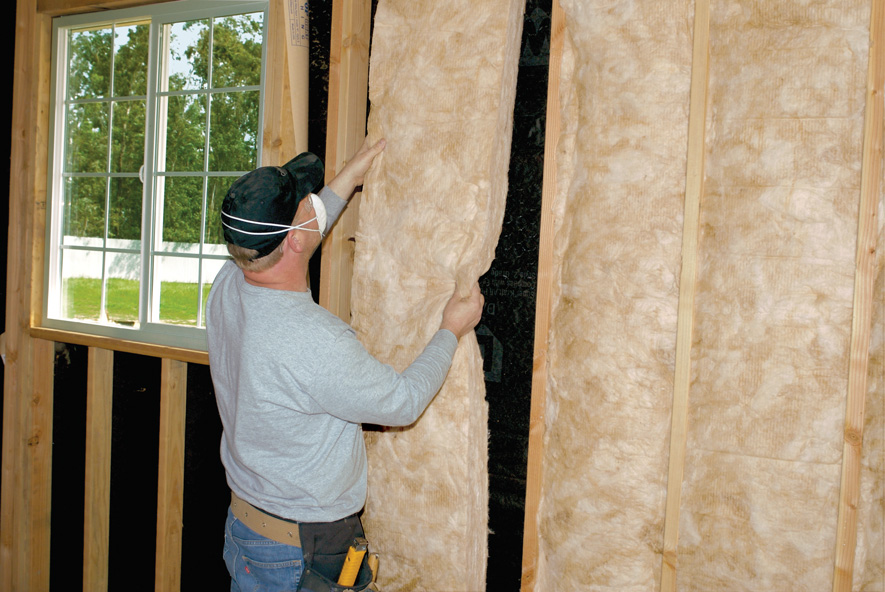
How to Manage Acoustic Insulation Issues: 2026 Guide
The acoustic performance of a building envelope operates as the critical interface between interior human productivity and the volatile sonic forces of the external environment. In contemporary high-performance architecture, the interior partition functions far more than a simple visual barrier. It serves as an active acoustic, structural, and thermodynamic mediator. When building systems degrade, or when the operational acoustic profile requires a major update, the architectural assembly requires thoughtful intervention. how to manage acoustic insulation issues . For architects, asset managers, and construction professionals, executing this remediation within high-end parameters requires a sophisticated understanding of material science, structural dynamics, and sound transmission mechanics.
Remediating an interior or exterior wall assembly must balance seemingly contradictory performance requirements with available capital. Upgrading acoustic insulation must not compromise interior floor space, improving low-frequency decoupling must coexist with structural rigidity, and fire separation requirements must be achieved without introducing acoustic short circuits. These complex demands have transformed the supply chain of architectural materials. The contemporary marketplace requires an exhaustive assessment of resilient channels, mass-loaded vinyl, dense fibrous batts, and vibration isolation hangers to ensure long-term physical and operational integrity.
This reference document deconstructs the physical, economic, and operational elements of modern acoustic management. It explores the technical divergence between different transmission loss strategies, evaluates the systemic trade-offs of various systems, and provides an analytical framework for evaluating performance under real-world conditions. By moving beyond basic material descriptions, this analysis offers a comprehensive technical blueprint for specifying high-performance assemblies and understanding how to manage acoustic insulation issues.
Understanding “how to manage acoustic insulation issues”
The terminology surrounding high-performance acoustic remediation is frequently obscured by marketing nomenclature, making it difficult to isolate the objective mechanical properties of the assembly. To properly evaluate and execute premium building improvements, one must move past general descriptions and evaluate physical parameters such as Sound Transmission Class (STC), Outdoor-Indoor Transmission Class (OITC), Impact Insulation Class (IIC), and reverberation time ($T_{60}$). A common misunderstanding is the assumption that simply adding more mass to a wall is universally effective across all frequency spectra. In reality, an optimal design specification balances targeted mass interventions against the structural capacity of the existing framing and the resonant frequencies of the assembly.
Oversimplification risks are particularly pronounced when evaluating damping compounds and resilient isolation systems. Viscoelastic damping compounds, when placed between two layers of gypsum board, create constrained-layer damping systems that convert acoustic energy into heat. Yet, these systems are frequently specified without proper analysis of the low-frequency performance limitations or the potential for short-circuiting during installation. The selection of a noise control system must account for the mechanical load of the new material itself, as well as the stiffness characteristics of the surrounding fasteners. Connecting a gypsum board directly through a resilient channel into a stud, for instance, can completely negate the acoustic isolation properties of the channel if the screws make contact with the structural stud.
Furthermore, the integration of structural reinforcing elements adds complexity to the construction phase. A complete evaluation requires an understanding of the entire wall assembly, including resilient clips, acoustic sealants, dense batt insulation, and perimeter caulking details. When analyzing how to manage acoustic insulation issues, you must view the partition not as a single layer of material, but as an engineered multi-layer system designed to filter the transmission of acoustic energy across a range of frequencies.
Deep Contextual Background: The Evolution of Architectural Acoustics
The approach to architectural acoustics has undergone three major developmental phases over the past century.
The Empirical Mass Era (1900s–1950s) prioritized the use of heavy masonry, solid plaster, and thick concrete to block sound through sheer mass. These retrofits were often expensive and introduced heavy structural loads, which limited architectural flexibility.
The Resilient Channel Era (1960s–1980s) shifted the focus toward mechanical decoupling. Projects relied heavily on resilient metal channels to separate the gypsum board from the studs, reducing the transmission of structural sound vibrations while using lighter materials.
The Composite Multi-Layer Era (1990s–Present) is defined by the combination of damping compounds, constrained-layer damping panels, mass-loaded vinyl, and variable-density fibrous insulation. These approaches allow for high STC ratings without requiring thick, heavy wall partitions.
Conceptual Frameworks and Mental Models
When evaluating building systems and determining how to manage acoustic insulation issues, designers apply several analytical frameworks:
-
The Mass Law Model: This model measures the relationship between the surface weight of a partition and its sound transmission loss. The model shows a theoretical 6 dB increase in transmission loss for each doubling of mass or frequency, but it exhibits limits in the coincidence dip region where the panel resonates with the sound wave.
-
The Mass-Spring-Mass Resonance Model: This framework evaluates the resonant frequency of a double-leaf partition. Frequencies near the resonant point are transmitted easily through the cavity, which must be addressed using damping or sound-absorbing insulation.
-
The Structural Decoupling Model: This framework evaluates the ability of isolation clips and resilient channels to break the acoustic path between the wallboard and the structural framing.
-
The Life Cycle Cost Analysis (LCCA) Framework: This model balances the initial capital expense of the acoustic renovation against projected savings in tenant satisfaction and space utilization over a long-term operational horizon.
Key Categories and Material Variations
Achieving the correct acoustic performance requires a careful review of the core categories of cladding and insulation strategies.
| Acoustic System | Sound Transmission Class (STC) | Low-Frequency Performance | Structural Thickness (Inches) | Relative Cost Index | Primary Structural Application |
| Standard Wood Stud Partition | 33 – 36 | Poor | 4.5 | Low | Interior Residential |
| Resilient Channel Decoupled Wall | 45 – 50 | Moderate | 5.0 | Moderate | Multifamily Corridors |
| Viscoelastic Damping Wall | 52 – 58 | Good | 5.2 | Moderate | Home Theaters / Studios |
| Double-Stud Acoustic Partition | 55 – 62 | Very Good | 8.0 | High | Healthcare / Confidential Rooms |
| Mass-Loaded Vinyl (MLV) Barrier | 38 – 44 | Moderate | 4.2 | Moderate | Mechanical Enclosures |
| Cellulose/Fiberglass Sound Attenuation Batts | 35 – 40 | Poor | 4.5 | Low | Standard Office Walls |
Realistic Decision Logic
When reviewing high-end specifications for managing acoustic issues, the decision-making process should be mission-based. For a residential building requiring high acoustic isolation, a double-stud wall partition provides the highest performance across all frequencies. Conversely, for an existing office renovation where space is limited, applying viscoelastic damping compound between two layers of standard drywall offers a cost-effective path without taking up large amounts of space.
Detailed Real-World Scenarios How to Manage Acoustic Insulation Issues
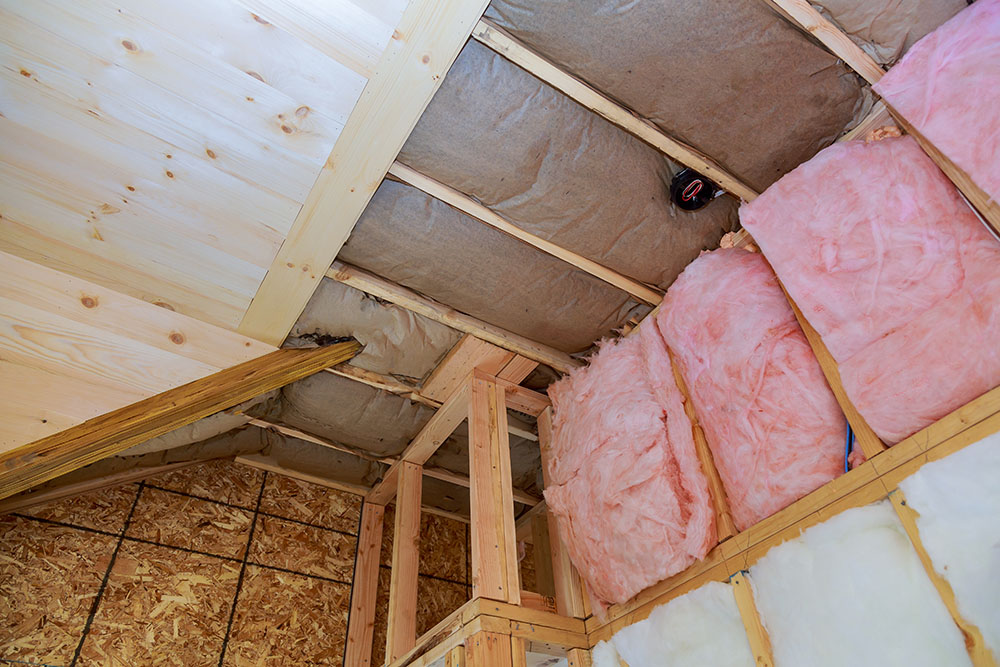
Scenario 1: The Urban Mixed-Use Office Suite
A commercial office space sited alongside an urban rail transit corridor experiences low-frequency ground vibration and airborne sound transmission.
-
Constraints: Limited space and structural loading limits on the floor plates.
-
Decision Point: The design team determines how to plan improvements by choosing a viscoelastic damping compound between staggered-stud assemblies, rather than building a thick double-leaf wall.
-
Failure Mode: Installing the damping panels without using acoustic sealant at the perimeter gaps creates an acoustic bridge that allows low-frequency rumble to enter the space.
-
Second-Order Effect: The high stiffness of the structural wall components requires the use of specialized neoprene perimeter isolation gaskets to maintain vibration control.
Scenario 2: The Multifamily Condominium Project
A multifamily unit in a wood-frame building needs an updated acoustic design to prevent noise from adjacent units.
-
Constraints: Strict zoning and a desire to minimize the weight of any new partition changes.
-
Decision Point: The renovation plan uses resilient isolation clips and furring channels mounted directly onto the existing wood studs.
-
Failure Mode: Selecting an installation method where the drywall screws penetrate into the wood studs creates an acoustic short circuit.
-
Second-Order Effect: The new isolated wall system changes the fire-stop requirements at the ceiling line, requiring the addition of fire-rated draft stops.
Scenario 3: The Healthcare Consulting Room
A hospital consultation room requires speech privacy, with a target STC rating of 50 or higher to meet regulatory requirements.
-
Constraints: High interior sound levels and a need to maintain an operational schedule.
-
Decision Point: The team installs a double-leaf steel stud partition filled with high-density mineral wool insulation.
-
Failure Mode: Leaving electrical outlet boxes back-to-back in the two wall faces allows sound to pass through the cavity, reducing the effective performance of the partition.
-
Second-Order Effect: The addition of a double layer of drywall requires the modification of door frame widths and heavy-duty hardware.
Scenario 4: The High-End Media Room
A home theater needs to control low-frequency noise from escaping into the upper levels of the residence.
-
Constraints: High dynamic range and limited space for wall modifications.
-
Decision Point: The design uses resilient channels along with a constrained-layer damping gypsum system.
-
Failure Mode: Applying a dark solar control film on adjacent windows or doors without checking the acoustic mass of the glass can cause low-frequency sound waves to bypass the wall.
-
Second-Order Effect: The mass-loaded wall changes the dead weight of the room, requiring foundation support assessment.
Planning, Cost, and Resource Dynamics
The initial capital expenditure for acoustic improvements is typically offset by reductions in tenant turnover and fewer noise complaints over the life of the building.
| System Intervention | Direct Cost Range (USD/ft2) | Lead Time (Weeks) | Impact on Acoustic Performance |
| Acoustic Sealant and Gaskets | $1.50 – $3.50 | 1 – 2 | Minor Reduction |
| Sound Attenuation Batts (Mineral Wool) | $1.20 – $4.00 | 2 – 4 | Moderate Reduction |
| Resilient Clips and Channels | $4.50 – $8.50 | 3 – 6 | Significant Reduction |
| Viscoelastic Damping Compounds | $5.00 – $10.00 | 3 – 5 | High Optimization Potential |
| Double-Stud Wall Assembly | $12.00 – $22.00 | 6 – 10 | Complete Isolation Control |
The Cost of Frugality: Attempting to reduce costs by using inexperienced drywall contractors or skipping perimeter sealing checks can cause acoustic failure. Remedying these errors often costs more than the initial budget saved.
Tools, Strategies, and Support Systems
Executing an acoustic remediation project requires a specialized technical toolkit:
-
Sound Level Meters (Class 1): Used to measure background noise levels and establish the baseline before making wall modifications.
-
Tapping Machines: Used in accordance with ASTM E492 to evaluate the impact sound insulation class of ceiling and floor assemblies.
-
Acoustic Intensity Probes: Used to locate sound leaks through wall penetrations and around electrical outlets.
-
Speech Transmission Index (STI) Testing Software: Evaluates the intelligibility of speech across conference rooms and offices.
-
INSUL Software: Predicts the acoustic performance of single, double, and complex multi-layer partitions across different frequency spectra.
-
Vibration Isolation Pads: Used to decouple structural elements and mechanical equipment from the building frame.
Risk Landscape and Failure Modes
Acoustic remediation projects are subject to several compounding failure modes:
-
Flanking Transmission: This occurs when sound bypasses the wall partition through air ducts, pipe chases, or continuous ceiling paths, negating the high STC rating of the wall itself.
-
Electrical Box Penetration: The installation of back-to-back outlet boxes on opposite sides of an isolated partition allows air and sound waves to pass directly through.
-
Resilient Clip Over-Torquing: Screwing clips too tightly into the wood frame transfers the vibration from the wallboard directly to the structural studs.
-
Sealant Degradation: The use of low-quality or non-hardening sealants allows them to crack and shrink, creating leaks over time.
Governance, Maintenance, and Long-Term Adaptation
A remediated acoustic wall requires a planned operational cycle to ensure its long-term integrity:
-
Quarterly Visual Inspections: Checking perimeter joints and partition bases for signs of cracking or separation.
-
Acoustic Door Hardware Checks: Testing drop seals on doors to ensure they do not drag or leave gaps at the floor surface.
-
Vibration Isolator Deflection Verification: Checking mechanical equipment to ensure rubber isolators have not degraded or hardened over time.
-
Field Sound Testing (ASTM E336): Conducting tests every five years to ensure performance levels are maintained.
Measurement, Tracking, and Evaluation
To determine if an acoustic remediation project is performing as intended, facility managers track several key performance indicators:
-
Leading Indicator: “Background Noise Level ($L_{eq}$).” Using sound level meters to measure the ambient noise floor in quiet zones during peak operation.
-
Lagging Indicator: “Tenant Noise Complaints.” An increase in complaints indicates that the acoustic barrier has been compromised.
-
Qualitative Signal: “Speech Privacy Index.” A score that tracks whether occupants can hear private conversations through the partition.
-
Documentation Example: Commissioning reports containing sound field test results according to ASTM E336 standards.
Common Misconceptions and Oversimplifications
-
“Adding any insulation to a wall cavity will double its STC rating”: Glass fiber or mineral wool batts add only 2 to 6 STC points in an otherwise hollow wall; decoupling the wall is required to achieve high values.
-
“All wallboard materials have the same acoustic properties”: Standard gypsum board behaves poorly at its critical frequency; using dense gypsum cores or viscoelastic damping compounds is necessary to control the coincidence dip.
-
“Sealing the wall perimeter is only required for high-end applications”: Small perimeter gaps can transmit a large percentage of sound energy across a partition, degrading the system’s performance.
-
“Resilient channels can be mounted on both sides of a wood stud”: Installing channels on both sides of a single stud line eliminates the decoupling effect, lowering performance.
-
“Acoustic foams can block low-frequency noise”: Open-cell acoustic foam absorbs high-frequency echo but provides low transmission loss for heavy bass or industrial hums.
Ethical and Contextual Considerations
The use of high-performance acoustic isolation can lead to unintended environmental consequences, primarily the production of high quantities of embodied carbon in the heavy materials used.
To mitigate these impacts, modern building codes require the inclusion of variable-density mineral wool containing recycled content. Incorporating these sustainable materials allows the partition to remain acoustically efficient while meeting the carbon targets of the project.
Conclusion: The Trajectory of Architectural Acoustics
The field of architectural acoustics is shifting toward greater integration of digital, mechanical, and structural functions within the building envelope. The partition is no longer a passive barrier, but an active component that adapts to environmental variations. When you analyze how to manage acoustic insulation issues, you must balance the physics of sound transmission with structural limits and environmental sustainability.
Designers who understand the long-term properties of the partition can create buildings with lower energy consumption and long service lives. The future of architectural design lies in specifying dynamic, high-performance building skins that reduce reliance on mechanical noise isolation.